Setup guides
BandwagonHost KVM VPS Catalog Guide: KiwiVM, Linux and Locations
The official VPS page lists KVM virtualization, the KiwiVM panel and its facilities, along with operating systems and plan specifications.
Follow plan changes, service notes and configuration guides.
19 results
The official VPS page lists KVM virtualization, the KiwiVM panel and its facilities, along with operating systems and plan specifications.
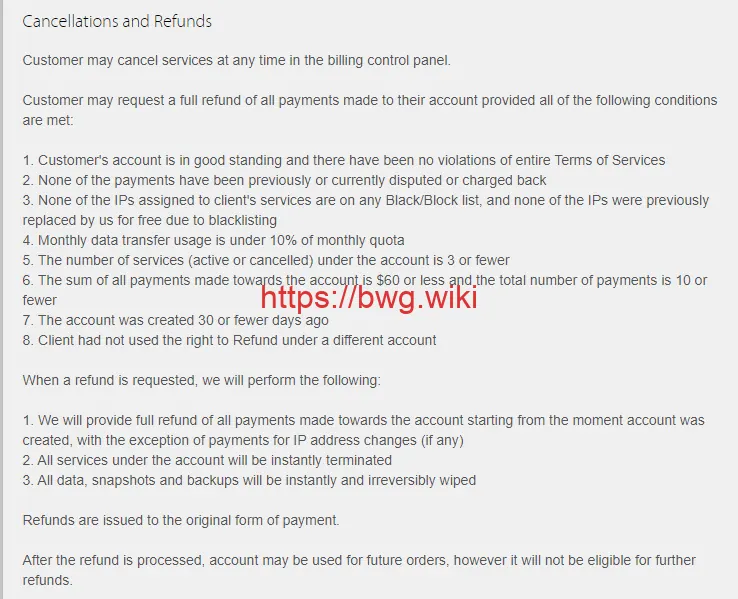
Check account standing, usage, purchase timing and other current eligibility terms. Historical tutorials can identify the questions to verify.
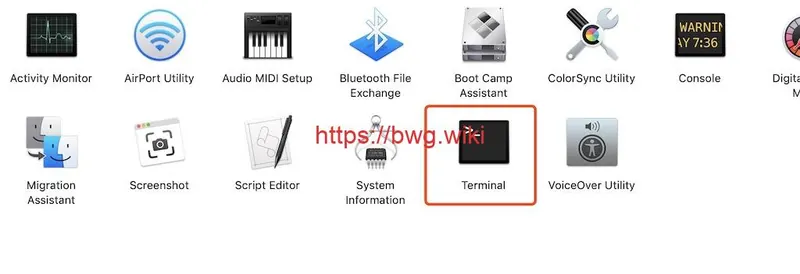
Find your own instance address, SSH port and permitted username in KiwiVM. Use the corresponding account from macOS Terminal and verify the host identity at the first connection.
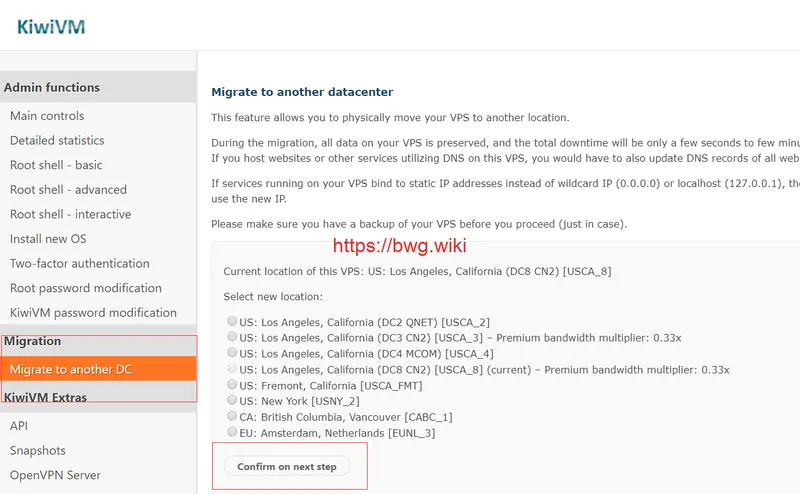
Prepare a maintenance window, backup and DNS plan before moving locations. The panel only shows destinations available to that instance.
Use KiwiVM to check resources, transfer and power state. OS reloads, snapshots, migration tools and console access have their own controls according to service eligibility.
Historical notices describe the phaseout of OpenVZ renewals and the move toward KVM VPS hosting. Old images, operating constraints and data recovery differ across platforms.
Reinstalling typically overwrites the instance disk. Back up sites and databases, note the image, IP and access settings, then follow the control-panel steps.
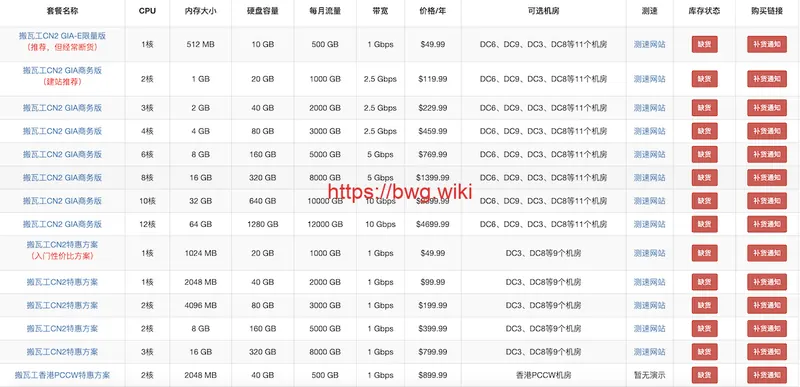
An earlier stock report documented simultaneous shortages on several CN2 product lines. That historical event shows supply can vary. It does not establish current stock for any plan.
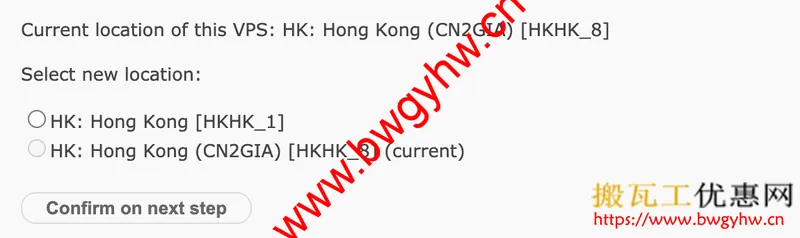
An old notice shows how eligible Hong Kong services could change routing through the panel. Check your own product and the current catalog for available locations, routes and migration rights.
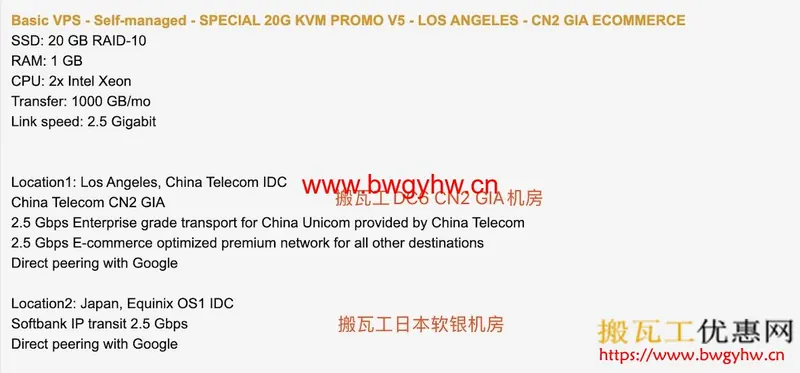
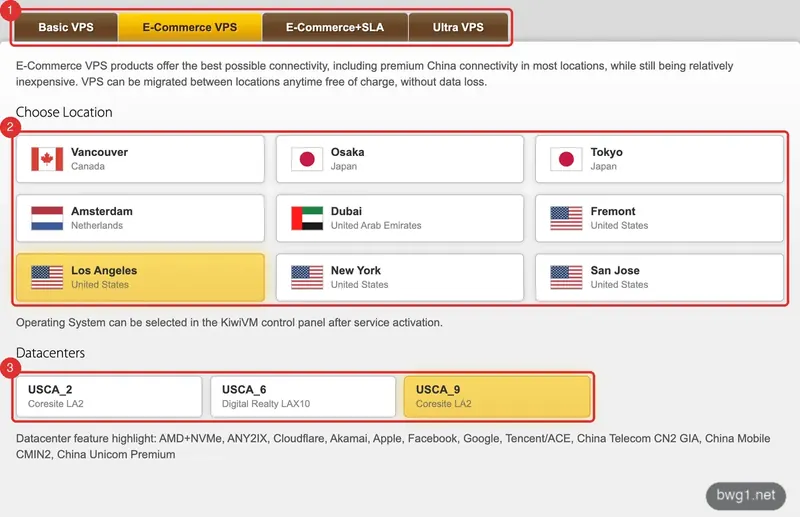
The launch article documents SoftBank transit at Equinix OS1 and an Osaka E-Commerce location. The present catalog lists JPOS_1 separately from Ultra JPOS_6.
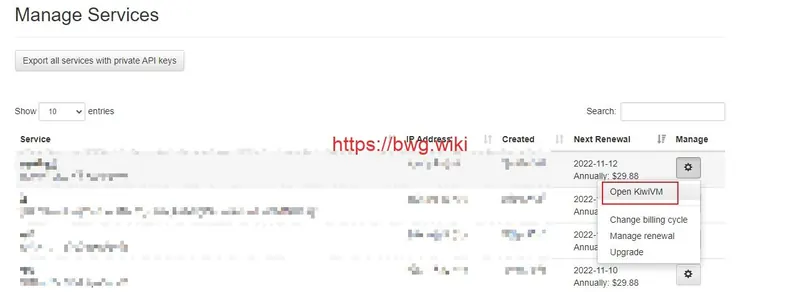
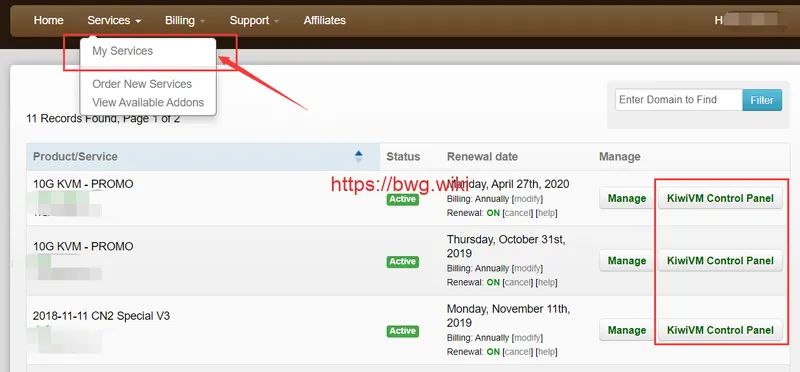
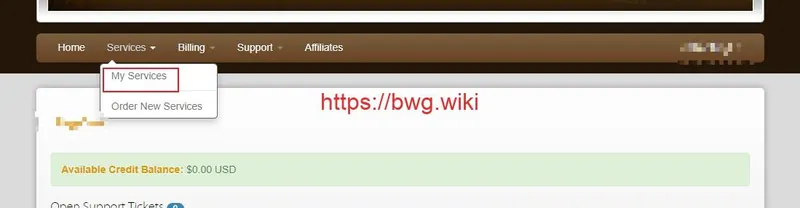
Open My Services in the client area and choose KiwiVM for the intended service. Archived screens can help locate the control, although labels may change.
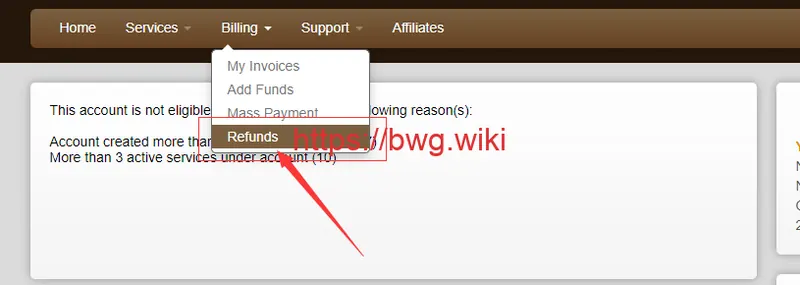
The earlier client area used a Refunds entry under Billing and showed options based on account eligibility. Follow the current provider interface when submitting a request.
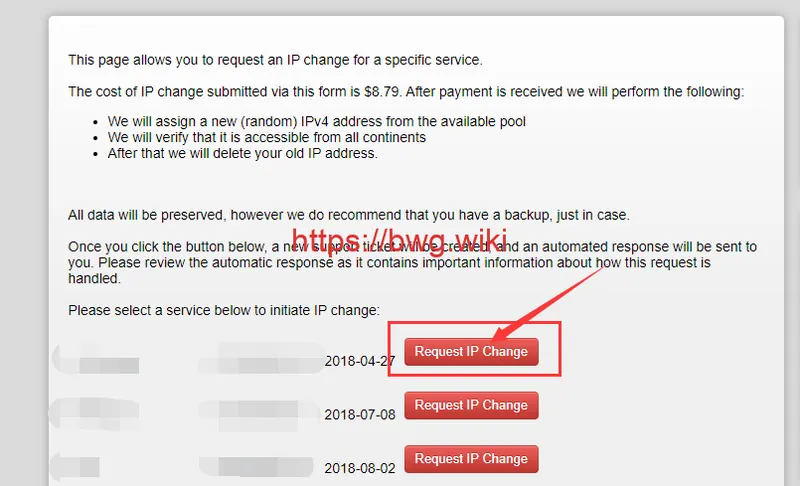
Earlier panels offered different free or paid IP replacement controls. Archived screenshots explain the layout. Fees, intervals and coverage may have changed.
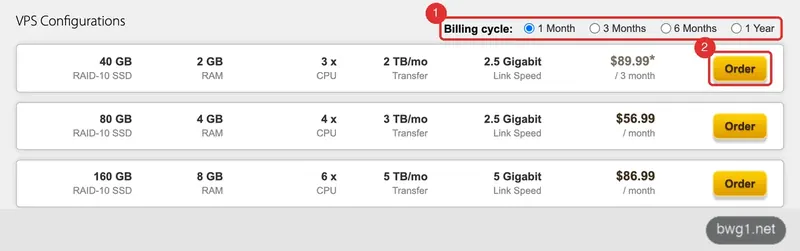
Official prices are listed in USD and cover the full monthly, quarterly or annual period shown. Converted figures on a comparison site help with budgeting.
New customers can provide their account details at checkout. Existing customers can sign in with their current client account. The account email is used for order messages and password recovery.
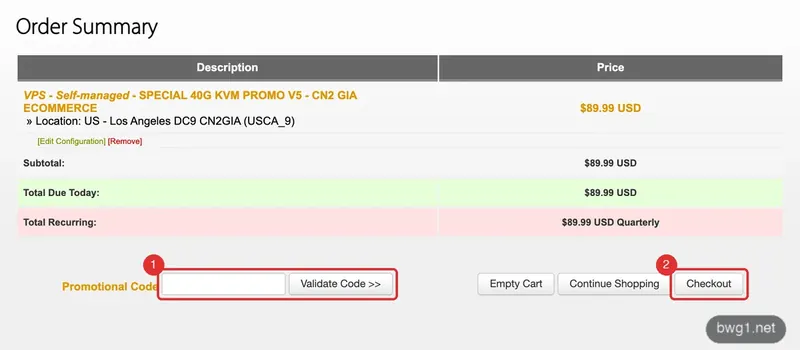
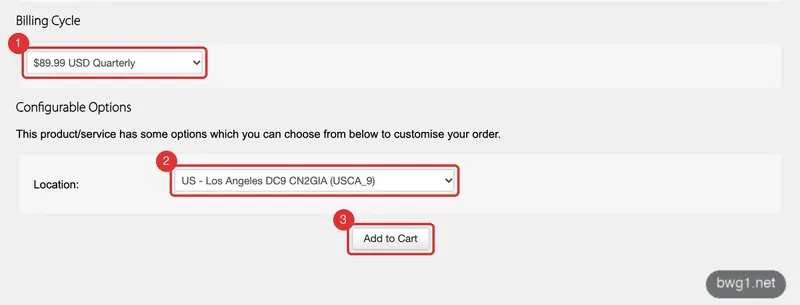
Compare tier, storage, location and billing cycle, then verify the full charge on the order configuration page. Confirm your account and payment method before checkout.
Find Total Recurring at checkout and confirm the amount, currency and cycle. When a first-term discount or alternative period is available, record both the initial and recurring totals.
Monthly billing can help you evaluate a new deployment. Longer cycles suit an established workload with known specifications and location. Some entry plans offer fewer options.
PROMO, SPECIAL and V5 are labels used in catalog or historical product names. Compare actual specifications and service terms to identify the product, and verify any discount at checkout.